 Connexion

Talking-head videos
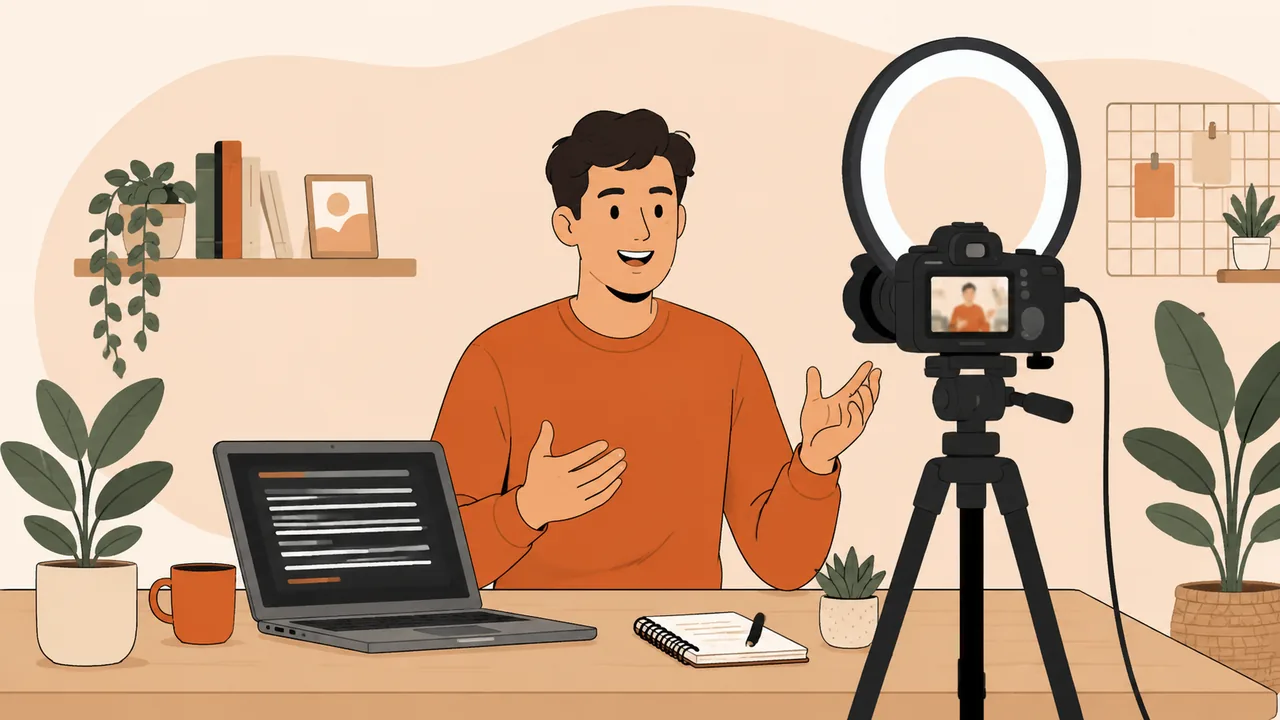
Open with a hook, walk through the point, and close with a follow CTA—ready to read while looking at the lens.
Bibliothèque de modèles de script
Choisissez une scène, renseignez quelques mots-clés et générez rapidement un script prêt pour le téléprompteur.
Chargement...
Pick a template that matches how you speak on camera, then generate a teleprompter-ready draft.
Open with a hook, walk through the point, and close with a follow CTA—ready to read while looking at the lens.
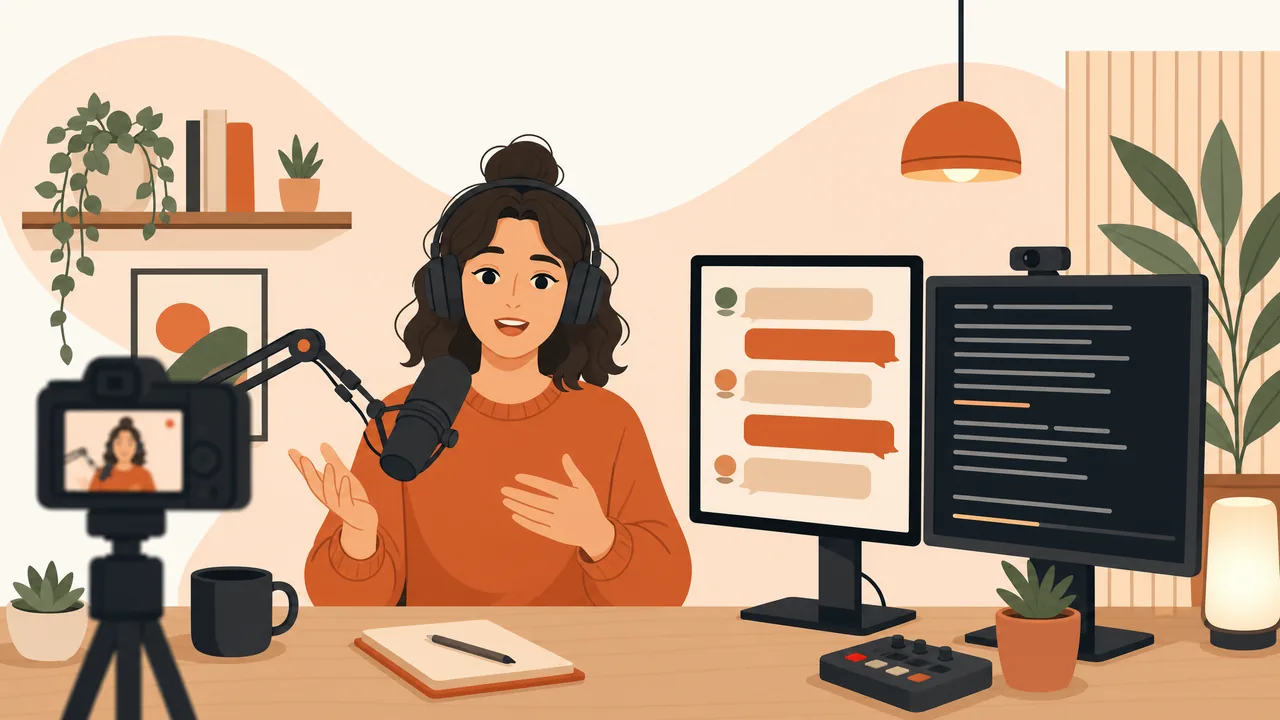
Welcome viewers, set the topic, and keep the first minutes smooth even when you are thinking on your feet.
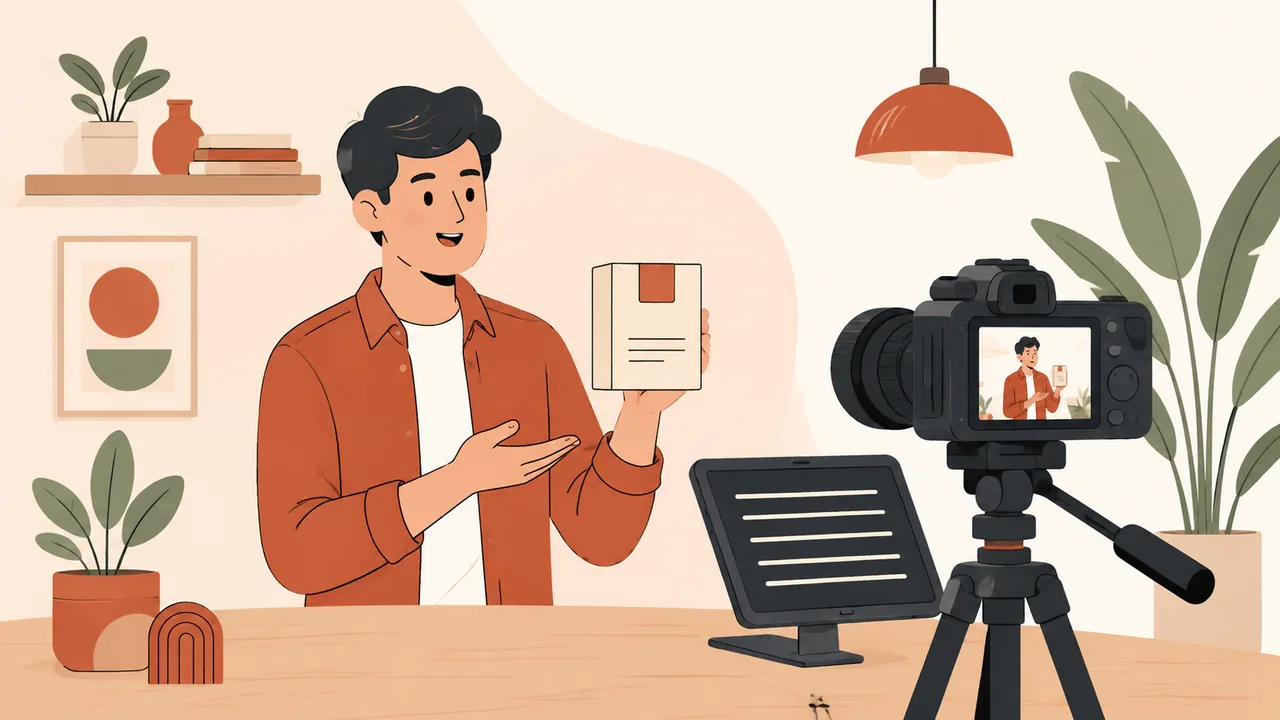
One-line value, a few highlights, and a clear use case—without looking down at notes.
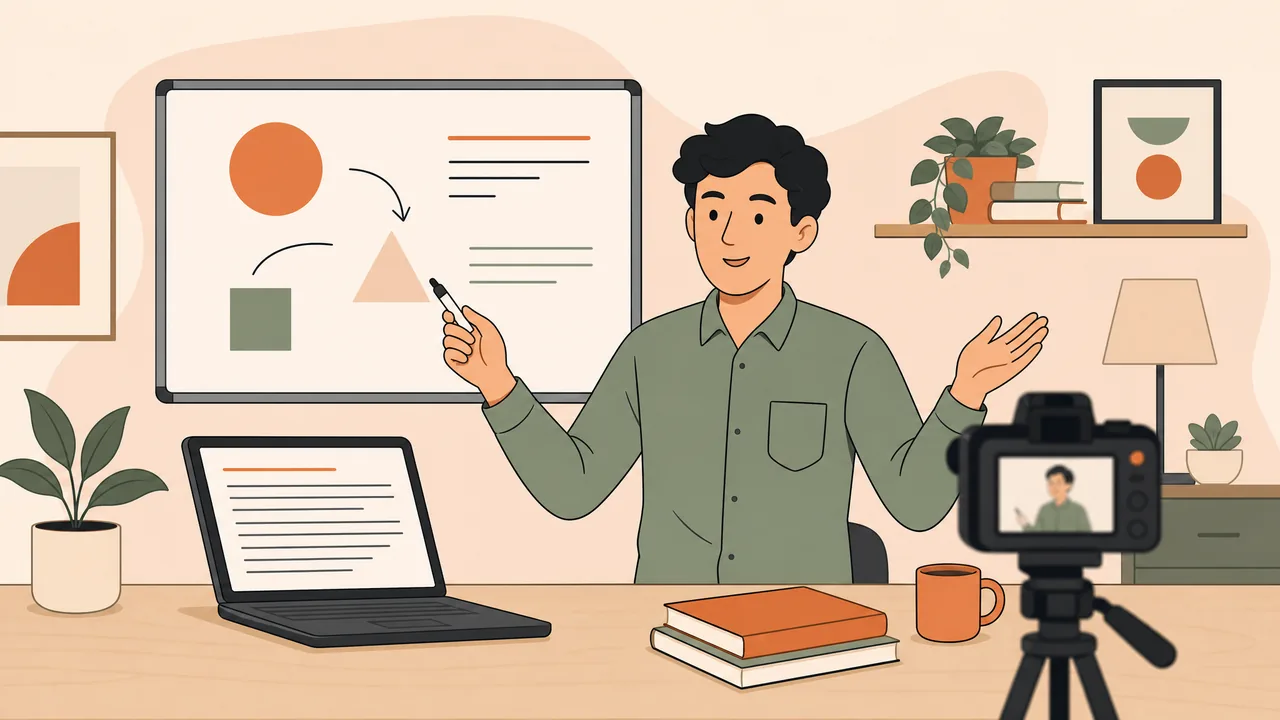
Break one idea into a teachable structure you can deliver clearly on camera.
These templates are spoken drafts, not empty forms. Pick a shape, replace the details with your product or lesson, then send the text to the teleprompter. If you start from blank, still write lines you can say in one breath. A custom draft that only says “write your title here” is not a script — use one of the finished examples below and rewrite it out loud.
Duration on the generator is a target, not a promise. After you generate or paste, read the result at speed 8. Cut anything you would not say to a colleague on a call. Then tap Use in teleprompter.
Look at the lens first, name a mistake you actually made, then three steps. The teleprompter is a quality check, not an actor.
Look at the camera for one second before you speak.
If your last video sounded like a school report, it is probably the sentences, not your face.

I write the hook as a question I would actually ask a friend.
Then I state the mistake I used to make — in one line, no background story.
Then three steps. If a step needs a paragraph, it is two steps.

Here is the test I use: I read the draft into the teleprompter at speed 8.
Any line that makes me smirk gets cut.
Any line I cannot say in one breath gets split.

If you only change one thing today, split your longest sentence
and put a pause on its own line.

Record take two. Do not watch take one until take two is done.
One promise, one demo, one next action. No “welcome back to my channel” tax on a 30-second clip.
You do not need a studio glass to stop looking down at notes.

Open CuePrompter on the same laptop as your camera.
Paste three short lines. Size 40. Speed slower than you think.

Read once. If you smile at a stiff sentence, rewrite it out loud, then paste again.

That is the whole setup. Record the next take now.
The first line must be a situation the viewer already had, not a biography.
Have you finished a take and thought, that did not sound like me?

I used to write essays, then force my face to perform them.

Stay for the three cuts that made the next take sound like a conversation.